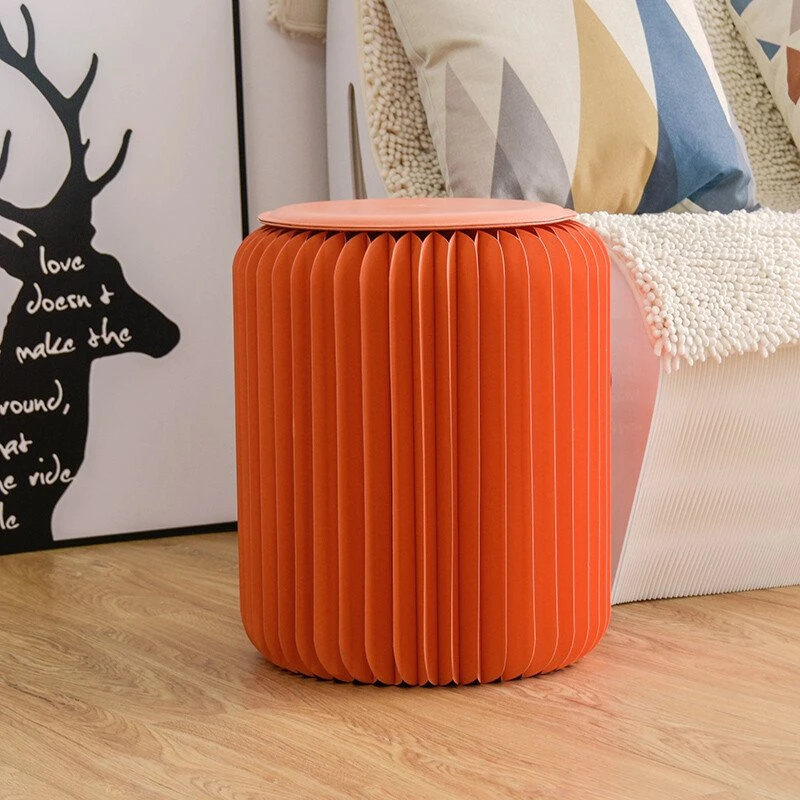
First Confirm That the Product Is Designed for Seating
A paper product may look like a stool, bench or low table, but appearance alone does not establish its intended use. Some paper-based products are display pieces. Others are designed as occasional seating. The buyer must confirm which category the selected model belongs to before considering comfort.
A paper furniture product should only be evaluated as a seat when the supplier identifies that exact model for seating and provides the relevant use instructions and performance evidence. A display pedestal should never be treated as a chair simply because a person could physically sit on it.
The question “Is it comfortable?” comes after the more basic questions: Is it designed for sitting? What is its approved configuration? What load and stability information is available? What use limitations apply?
This distinction is especially important for retailers and event buyers who may place the product in a public area. A decorative object and a seating product can have very different expectations, even if their silhouettes are similar.
Evaluate Seat Height, Surface Area and Proportion
Comfort starts with dimensions. A seat that is too low, too high or too narrow may not suit the intended user or setting. A photograph can make proportions difficult to judge, so request actual measurements for the opened product.
| Dimension | Why the buyer should check it |
|---|---|
| Seat height | Affects how easily users can sit down and stand up |
| Usable seat diameter or width | Determines the available sitting area |
| Seat depth, where relevant | Affects support and posture |
| Top-panel shape | Influences pressure distribution and contact area |
| Edge profile | Affects comfort where the user’s legs contact the seat |
| Folded dimensions | Helps with storage and transport, but does not describe the usable seat |
Do not rely on the overall product height if a separate cushion or top panel changes the final seat height. Ask whether the quoted dimensions include the cushion and whether that component is part of the standard package.
The right dimensions depend on the target market, expected users and use duration. A temporary event seat and a stool used every day may need different specifications.
Check the Top Surface and Any Cushion Separately
A firm paper structure and a comfortable contact surface are not the same thing. Some seating designs may use a separate cushion or cover. If one is included, it should be specified as a component rather than treated as an incidental accessory.
Ask about:
- Cushion material and thickness.
- Whether the cushion is removable or fixed.
- How it attaches to the seat.
- Whether the cover can be cleaned or replaced.
- Whether the cushion is included in the quoted price.
- Whether the seat surface remains level after the product is assembled.
A cushion may change the feel of the seat, but it does not prove that the underlying structure is suitable for the intended load. The cushion, top panel and paper structure should be assessed as one finished product.
If the project is for retail resale, also confirm how the cushion is packed. A compressed cushion, a separate accessory bag or an unprotected top surface may affect the unboxing experience and the condition of the goods on arrival.
Assess Stability and the Approved Assembly
Comfort is difficult to judge if the product shifts, rocks or does not open fully. For an expandable or foldable design, the assembly method is part of the seating experience.
During a sample review, follow the supplier’s instructions and check:
- Whether the product opens to the specified shape.
- Whether all clips, magnets or closure components are correctly engaged.
- Whether the top panel sits evenly.
- Whether the base makes stable contact with the intended floor.
- Whether the product moves or rocks under normal, approved use.
- Whether the surface has uneven areas or sharp edges.
Do not modify the product or add an unapproved support to make it feel more stable. If the sample does not assemble as instructed, ask the supplier to resolve the issue before approving the design.
A product intended for public seating should be reviewed with the relevant test evidence and use instructions, not just by a visual inspection.
Comfort Is Different from Load Capacity and Safety
A person may find a seat comfortable during a short trial, but that does not establish the product’s load rating, stability or suitability for repeated use. The reverse is also true: a product may meet a stated load criterion but still have a hard surface, unsuitable dimensions or an uncomfortable edge profile.
Keep these questions separate:
- Comfort: Do the dimensions and contact surfaces suit the intended users and duration?
- Load performance: What model-specific test supports the stated load?
- Stability: Does the assembled product remain stable in the approved configuration?
- Durability: How does the product perform after repeated use or handling?
- Care: What cleaning and storage conditions are permitted?
If a supplier provides a load figure, ask for the test method, sample configuration, duration and acceptance criteria. Do not transfer a figure from another size or model.
For an event or retail project, specify whether the product is for occasional seating, display only or another use. That one sentence can prevent a mismatch between the product quoted and the job it is expected to perform.
How to Review a Paper Stool Sample for Comfort
A sample review should reflect the way the product will actually be used. Start with the dimensions and assembly instructions. Then evaluate the surface, edges and stability with representative users and the expected setting.
Use a written review form:
| Review point | What to record |
|---|---|
| Model and sample revision | Exact reference and sample date |
| Opened dimensions | Seat height and usable top area |
| Cushion | Material, thickness, attachment and included status |
| Surface and edges | Finish, levelness and contact points |
| Assembly | Steps, closure parts and ease of following instructions |
| Stability | Observations in the approved configuration |
| Use evidence | Relevant load, stability and durability documentation |
| Packaging | Protection of the seat surface and any separate accessories |
A short sample trial can help identify comfort concerns, but it is not a substitute for a formal performance test. Keep the sample comments and approved specification together so the supplier knows which details must be maintained in production.
Specify the Product for the Buyer and Sales Channel
A wholesale buyer may be sourcing for a gift shop, event-rental company, retail furniture brand or temporary display program. Each channel may need a different pack, instruction format and product description.
Before requesting a quotation, provide:
- Intended use: seating, display or another approved application.
- Target user and expected use duration.
- Required seat height and usable surface dimensions.
- Cushion or cover requirements.
- Preferred color and finish.
- Assembly and storage expectations.
- Retail pack, label and barcode requirements.
- Quantity per design and delivery destination.
For a branded product, confirm that the product description on the packaging matches the intended use. Avoid marketing a display item as a seat or describing a model as suitable for continuous use without supporting documentation.
You can review the Expandable Paper Stool product range and discuss dimensions or packaging through LuckinDecor’s custom project service.
Paper Furniture Seating: Buyer Checklist and FAQs
Before selecting a paper product for seating, confirm the following:
- [ ] The exact model is designated for seating, not display only.
- [ ] Opened seat height and usable top dimensions are confirmed.
- [ ] Cushion material, thickness and included status are specified.
- [ ] Assembly and closure instructions are available.
- [ ] Stability and load evidence match the exact model.
- [ ] The expected user group and use duration are defined.
- [ ] Cleaning, storage and packaging requirements are clear.
- [ ] The approved sample matches the final quotation.
Frequently Asked Questions
Can any expandable paper stool be used as a seat?
No. The exact model must be designated for seating, assembled as instructed and supported by relevant performance information. Do not infer suitability from its appearance.
Does adding a cushion make paper furniture more comfortable?
A cushion can change the contact surface, but comfort also depends on seat height, usable area, shape, stability and the intended duration of use. The cushion does not prove structural suitability.
What dimensions should I request?
Ask for the final opened seat height and usable top dimensions. If a cushion is included, confirm whether the measurements include it. Also request folded dimensions for storage and shipping.
Can a paper stool be used for long periods?
That depends on the design and the intended-use guidance. A short event use and daily seating are different requirements. Ask the supplier to confirm the approved use and supporting evidence.
Is a comfortable sample proof that the product is safe?
No. Comfort is a subjective assessment. Load capacity, stability and durability need their own model-specific evidence.
The most useful buying decision starts with the intended use. Confirm that the product is designed for seating, then evaluate dimensions, surface comfort, assembly and performance as separate requirements.