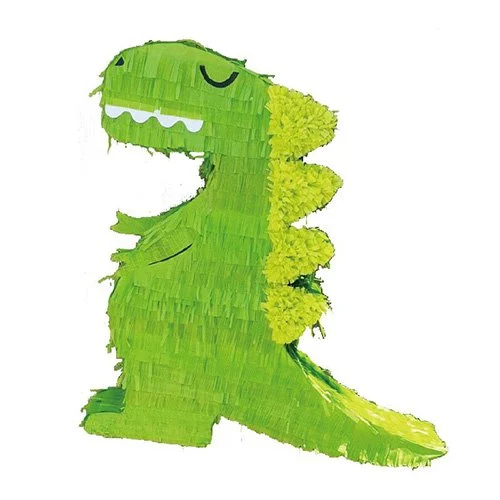
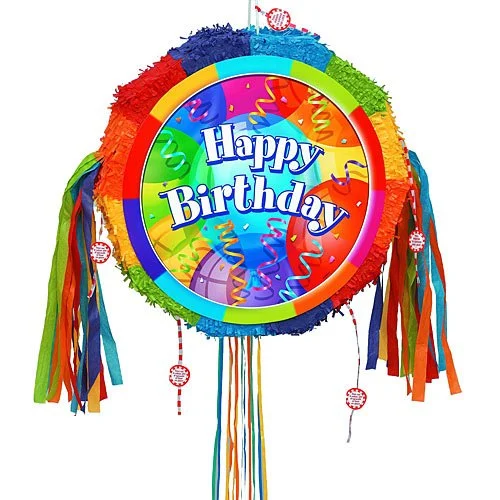
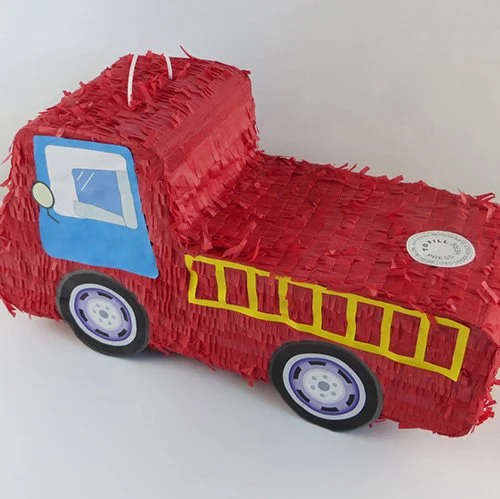
Placing a bulk piñata order feels like a big step, but it also comes with big risks. You're worried that the final products won't match the sample, that they'll fall apart during shipping, or that they won't be safe for customers. A bad batch can wipe out your profits and damage your reputation. The key to sleeping well at night is using a detailed piñata quality inspection checklist to align with your supplier before mass production even starts.
A piñata quality inspection checklist is a document that outlines the specific standards a piñata must meet for materials, construction, appearance, function, and packaging. It's not a generic template, but a customized framework you create with your supplier to define "good quality" for your specific product and market. It should include checkpoints for pre-production materials, in-process assembly, and pre-shipment final review.
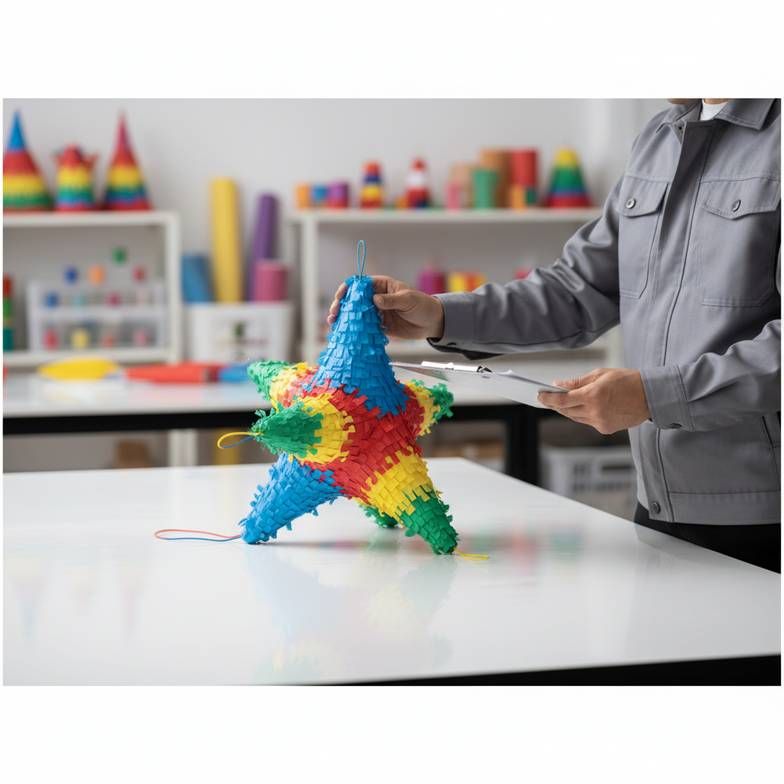
This checklist becomes your most important communication tool. It transforms vague requests like "high quality" into specific, measurable, and agreed-upon standards. Let's break down how to build a checklist that truly protects your investment across the three critical stages of production.
What Should Your Pre-Production Checklist Cover?
You've approved a beautiful "golden sample," but how do you ensure the 10,000 units in your bulk order will be made from the exact same materials? This is a common anxiety for first-time importers. Without clear pre-production specifications, suppliers might substitute materials to manage costs, leaving you with a product that feels cheap or, worse, is unsafe.
Your pre-production checklist is your first line of defense. It's a set of checkpoints used to verify all raw materials and components before they are used in assembly. This step confirms that the foundation of your product meets your standards from day one.
Dive Deeper: Locking In Your Specifications
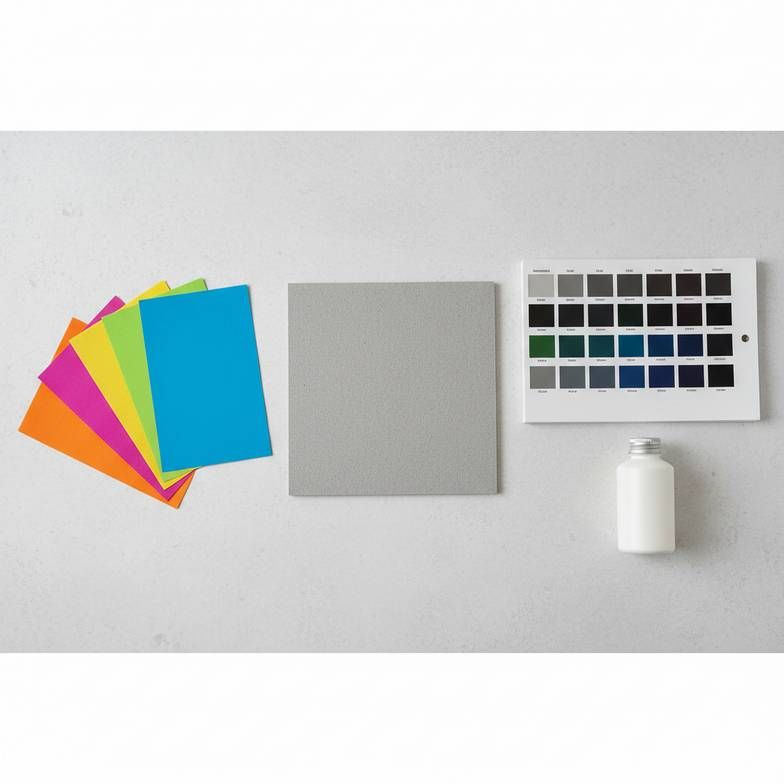
The pre-production stage is all about details. Vague descriptions like "sturdy cardboard" or "bright paper" aren't enough. Your goal is to create a technical file for your piñata that leaves no room for interpretation.
A frequent source of disputes I've seen is when the bulk order "feels" different from the sample. This usually comes down to paper and cardboard specifications. Here’s what experienced buyers learn to verify:
- Cardboard Structure: Specify the paper weight (measured in grams per square meter, or GSM) and the number of layers. A higher GSM means a sturdier frame that can hold more weight and withstand more hits.
- Decorative Paper (Tissue/Crepe): Request confirmation of the paper's GSM and, crucially, its colorfastness. You don't want colors bleeding if the piñata gets damp or leaving stains on hands.
- Adhesives: The glue used is a critical safety component, especially for piñatas that will hold unwrapped candy. Your checklist should require the supplier to confirm they are using non-toxic, food-safe adhesives where necessary. Ask for material safety data sheets (MSDS) to verify these claims.
- Colors: Don't rely on photos. Provide Pantone (PMS) color codes for all decorative papers, ribbons, and printed elements. Your pre-production check should involve comparing the supplier's materials against these specific color codes.
Here's a simple table to illustrate how you might specify materials:
| Component | Specification | Why It Matters |
|---|---|---|
| Main Body | 350 GSM Greyboard, 2 layers | Ensures it holds up to 3 lbs of candy without collapsing. |
| Hanging Loop | Braided plastic zip-tie, 8-inch length | Prevents the #1 point of failure; a weak loop makes the product useless. |
| Tissue Paper | 17 GSM, Colorfast | Provides a full, vibrant look without colors running or staining. |
| Colors | PMS 293 C (Blue), PMS 185 C (Red) | Guarantees brand consistency and matches your other party decor. |
By getting agreement on these points before a single piñata is assembled, you prevent the most common and costly material-related defects. This is a core part of a professional piñata quality inspection checklist.
How to Use a Piñata Quality Inspection Checklist During Production?
You've locked in the materials. Now, how do you make sure they are assembled correctly? A production line making thousands of units can develop "process drift," where small deviations in assembly creep in and become major problems by the end of the run.
This is where an in-process piñata quality inspection checklist comes in. Instead of waiting until the end, you or a third-party inspector perform spot-checks during assembly. This allows you to catch errors early and correct the process before thousands of defective units are made.
Dive Deeper: Focusing on Critical Assembly Points
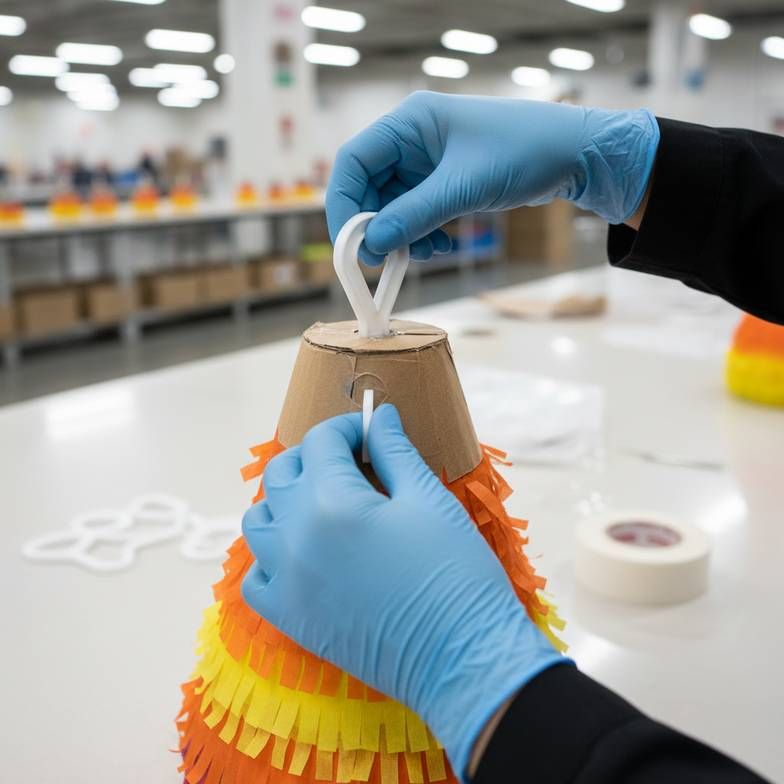
During production, you can't check every single piñata. The key is to focus on the points of highest risk—the areas where a small assembly error can lead to total product failure. I always advise buyers to prioritize what I call the "Three Critical Joints."
- The Hanging Mechanism: This is the single most important part of the piñata's construction. A common question from buyers is how to ensure it won't break. The answer is to specify how it's attached. Is the zip-tie or loop merely glued to the surface, or is it anchored through a reinforced piece of cardboard inside the frame? Your in-process check should involve pulling on the hanging loop of a few units from the line to ensure the anchor is secure. A failure here is a 100% functional defect.
- The Candy Door/Opening: Check that the candy access point is easy for the end-user to find and open. Is the "Push Here" sticker correctly placed? Is the perforated opening cut cleanly, or will it tear the main body of the piñata when opened? A poorly executed candy door leads to customer frustration and negative reviews.
- Structural Seams and Joints: For complex, multi-part piñatas (like a unicorn with a separate head, legs, and body), inspect the seams where these parts are joined. Are they sufficiently glued and reinforced? A weak neck joint on a unicorn piñata, for example, might cause the head to fall off during shipping or after being filled with candy.
Beyond these points, your in-process checks should also spot-check for cosmetic consistency. Are the tissue paper fringes being applied evenly? Are the printed eyes and other features aligned correctly? Catching a misaligned screen print on the 50th unit is much easier to fix than discovering it on the 5,000th. This proactive approach is a hallmark of a robust quality management process.
What Does the Final Pre-Shipment Piñata Quality Inspection Checklist Involve?
The order is complete and packed. The final hurdle is the pre-shipment inspection (PSI). This is your last chance to identify any issues before the goods are loaded into a container and sent across the ocean. Making a mistake here means you won't know there's a problem until you're unboxing pallets at your warehouse.
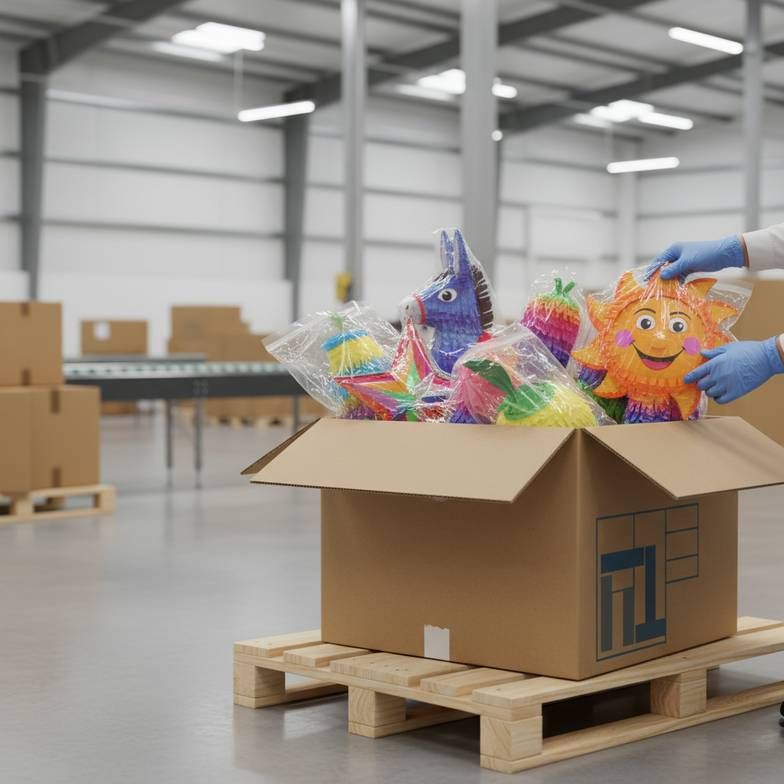
Your pre-shipment piñata quality inspection checklist is a formal, systematic review of a random sample of the finished and packed goods. This inspection confirms that the final product meets all the standards you agreed upon in the pre-production and in-process stages and that it's packed correctly for a safe journey.
Dive Deeper: Sampling, Testing, and Verifying Packaging
A pre-shipment inspection isn't about checking every single item. It uses a statistical sampling method called AQL (Acceptance Quality Limit). In simple terms, you define how many "minor" and "major" defects are acceptable in a random sample. If the number of defects found exceeds this limit, you can reject the batch and ask the supplier to rework it.
Here’s what a thorough PSI for a piñata order looks like:
1. AQL Sample Selection: Based on your total order quantity, the AQL standard will tell you how many cartons to open and how many individual piñatas to inspect. For example, for an order of 3,000 piñatas, you might inspect 125 units.
2. Functional and Structural Tests: This is where you simulate real-world use.
- Weight Test: Hang the piñata by its loop and fill it with a predetermined weight (e.g., 3 lbs or 1.5 kg) of sand or weights. Let it hang for at least an hour. The hanging loop and structure must not fail.
- Shake Test: After the weight test, gently shake the piñata to simulate children playing with it. The seams should not split, and no parts should fall off.
- Candy Door Test: Open the candy access flap to ensure it functions as designed without tearing the piñata body.
3. Visual and Cosmetic Inspection: Compare the sampled units against your approved "golden sample" and technical file.
- Color Check: Do the colors match your Pantone specifications?
- Size Check: Measure the dimensions to ensure they are within the agreed-upon tolerance (e.g., +/- 5%).
- Workmanship: Check for glue stains, sloppy fringe cutting, misaligned parts, dents, or crushing.
4. Packaging Verification: This is just as important as the product itself.
- Carton Markings: Are the shipping marks, barcodes, SKUs, and country of origin labels correct? A wrong barcode can create a nightmare for your warehouse team.
- Packaging Method: Is each piñata individually bagged as specified? Are there enough units per carton?
- Carton Quality: Check the carton's specs (e.g., 5-ply, burst strength). A weak carton can get crushed in transit, destroying the products inside.
Completing this final check provides the data you need to confidently approve shipment, knowing the product meets your quality standards.
Frequently Asked Questions
What is a reasonable defect rate for bulk piñata orders?
This is defined by your AQL standard. A common standard for consumer goods is AQL 2.5/4.0. This means you will accept a batch if the random sample has no more than 2.5% "major" defects (e.g., a broken hanging loop) and no more than 4.0% "minor" defects (e.g., a small glue stain).
How do I verify material safety claims from a supplier?
Always ask for documentation. For claims like "non-toxic glue" or "colorfast paper," request the material safety data sheets (MSDS) or third-party testing reports for the specific materials being used in your production. Do not rely on verbal assurances. A reputable supplier will have these documents available.
Should I visit the factory for inspection myself?
For large or critical orders, a factory visit is invaluable. However, it's not always practical. A cost-effective alternative is to hire a third-party inspection company based in the same country as your supplier. They can perform the pre-production, in-process, and pre-shipment checks on your behalf using the checklist you provide.
Can I use the same checklist for all my different piñata designs?
You can use the same template, but each checklist should be adapted for the specific product. A large, complex dragon piñata will have different critical assembly points and weight-bearing requirements than a small, simple star piñata. Tailor the specifics, especially the structural tests, for each unique design.
Conclusion
A piñata quality inspection checklist is much more than a document; it's your risk management strategy. It forces you to think through your market's expectations and translate them into clear, actionable standards. By breaking the process into three stages—Pre-Production, In-Process, and Pre-Shipment—you can catch problems early and maintain control over your quality. This checklist serves as a vital communication tool that aligns expectations between you and your supplier, protecting your investment and ensuring the final product is one your customers will love.
If you're looking for a partner who values clear communication and consistent quality, we're here to help. At LuckinDecor, we work with buyers to develop detailed quality plans for their projects. Let's talk about how we can build a secure and successful supply chain for your party decoration business.