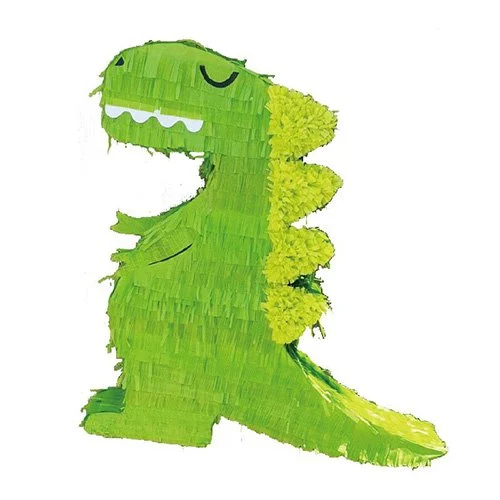
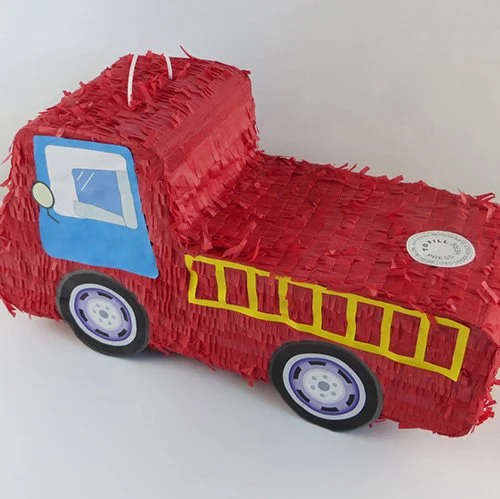
Structuring your seasonal piñata wholesale assortment requires sharp attention to lead times, shipping volume, and customer buying habits. Many independent store owners struggle when holiday shipments arrive late or unsold units sit on shelves for months. A thoughtful seasonal purchasing plan protects your profit margins and keeps valuable retail floor space moving all year long.
Planning a successful seasonal piñata wholesale assortment requires backward-scheduling production five to six months ahead, allocating 80% of volume to high-turnover iconic shapes, and optimizing carton density to control freight costs. Balancing traditional bash models with pull-string designs ensures stock sells out before the holiday window closes.
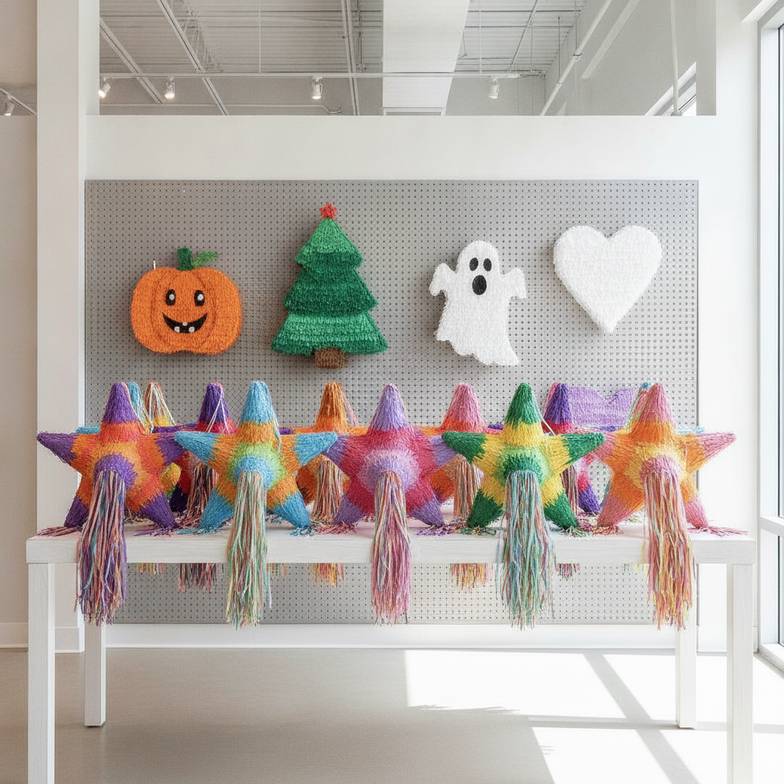
In my daily work with retail buyers at LuckinDecor, I see too many stores treat holiday buying as a simple catalog browsing exercise. That approach often leads to expensive dead stock or empty shelves during peak weekends. Let us walk through the exact steps you need to take to build an assortment that sells out profitably.
Why Is Production Lead Time Critical for a Seasonal Piñata Wholesale Assortment?
Holiday shoppers buy party goods in brief, intense spending windows right before the celebration. If your container arrives even one week after Halloween or Cinco de Mayo, you cannot discount those goods fast enough to recover landed costs. You end up stuck holding dead inventory until the next year.
Production lead times make or break a seasonal piñata wholesale assortment because manufacturing and ocean transit require 120 to 150 days. Locking orders five months ahead insulates your store from factory capacity crunches, port delays, and sudden shipping bottlenecks, ensuring your themed units hit retail shelves four full weeks before peak consumer demand.
The Reality of Backward Scheduling
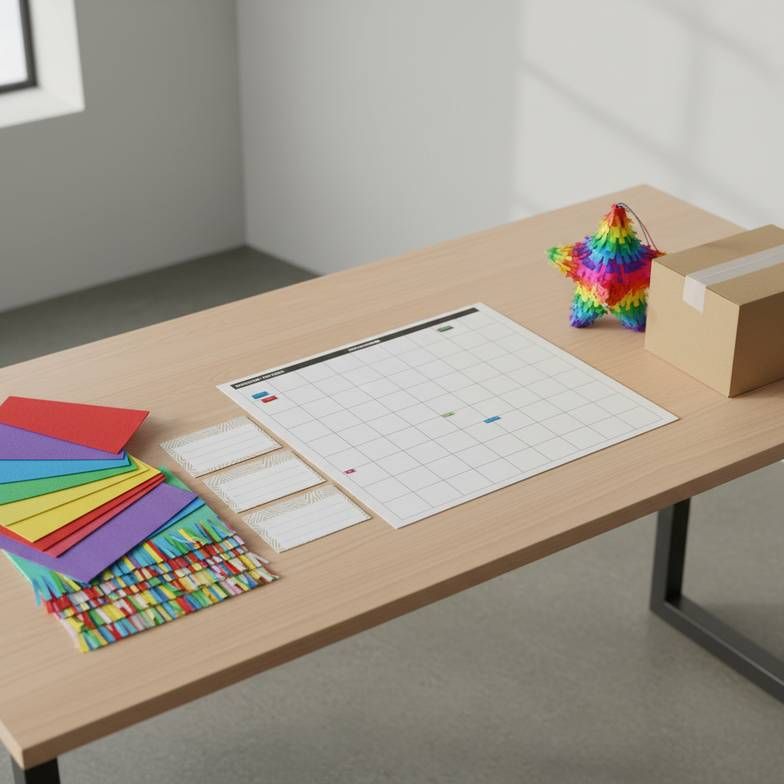
I always remind store owners that seasonal retail has zero forgiveness for shipping delays. When you plan a holiday rollout, you cannot look at when you want products on your shelves. You must work backward from that display date to establish clear procurement milestones.
Handmade items like papier-mâché and decorated corrugated piñatas require substantial manual labor. During peak production periods in China, factories hit capacity caps quickly. If you submit your purchase orders during the factory rush, lead times stretch, and freight booking costs spike.
Here is a practical timeline for major retail holiday cycles:
| Holiday Event | Target In-Store Date | Sea Freight Departure | Factory Order Cutoff |
|---|---|---|---|
| Cinco de Mayo | Early April | Mid-February | Late November |
| Halloween | Early September | Late July | Mid-April |
| Christmas / New Year | Early November | Early September | Late May |
Protecting Cash Flow Against Dead Stock
A late shipment of everyday birthday numbers can still sell in June or August. A late shipment of Day of the Dead skulls or Santa boots cannot.
Once the holiday passes, your options shrink dramatically:
- You discount items below landed cost, wiping out your departmental margin.
- You pack them into expensive backroom storage, tying up operating cash.
- You throw them out to clear room for incoming inventory.
By locking in production schedules early, you allow a healthy buffer for ocean transit, customs clearance, and domestic distribution. Your goods arrive on time, command full retail price, and exit your store right when the holiday ends.
How Do You Balance Velocity in a Seasonal Piñata Wholesale Assortment?
Flipping through a wholesale catalog tempts you to order dozens of eye-catching designs. However, spreading your budget across too many experimental designs fragments your inventory and clutters your shelves. You run out of top sellers early while quirky niche pieces take up valuable retail space.
To balance retail velocity, apply an 80/20 inventory ratio to your seasonal piñata wholesale assortment. Commit 80% of your open-to-buy budget to proven, recognizable holiday icons that sell in high volumes. Reserve the remaining 20% for trend-forward designs or premium sizes that offer higher gross margins without tying up core working capital.
Building Your Core 80% Volume Drivers
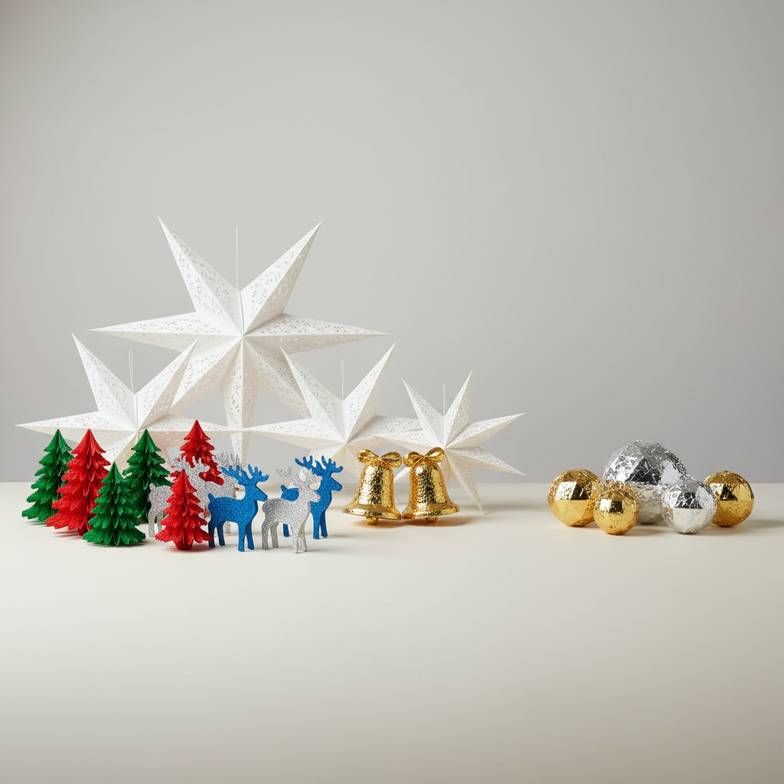
Your core volume drivers are the timeless holiday staples that every shopper immediately understands. For Halloween, that means classic jack-o'-lantern pumpkins, friendly white ghosts, and sugar skulls. For Christmas, it means traditional multi-pointed Moravian stars and snowmen.
These shapes sell reliably across all customer demographics. They require minimal floor explanation, and they move quickly off retail displays.
When you order these foundational designs, prioritize depth over variety:
- Commit to full master cartons of each core design to get better volume pricing.
- Focus on standard medium sizes (typically 18 to 22 inches) that fit typical consumer vehicle trunks.
- Maintain consistent color palettes that match standard disposable tableware lines.
Allocating the 20% Novelty Margin Boosters
Once you secure your foundational volume, you can use your remaining budget for higher-margin novelty items. These are your conversation starters. They catch the shopper's eye from the aisle, driving foot traffic into your party department.
Examples of strategic novelty SKUs include:
- Oversized statement pieces designed for commercial office parties or restaurant displays.
- Pop-culture-adjacent characters that match current seasonal party themes.
- Metallic foil or holographic finishes that justify a higher retail ticket price.
> Buyer Tip: If a novelty design does not sell through by the final weekend before the event, mark it down immediately. Use it as an impulse loss-leader to sell high-margin accessories like piñata sticks, blindfolds, and confetti bags.
How Does Carton Volume Impact Your Freight and Shelf Profitability?
Piñatas take up significant physical space relative to their weight. If you purchase products without reviewing carton packaging dimensions, shipping companies will hit you with high dimensional weight surcharges. Those freight bills can quickly wipe out your profit before your inventory hits the sales floor.
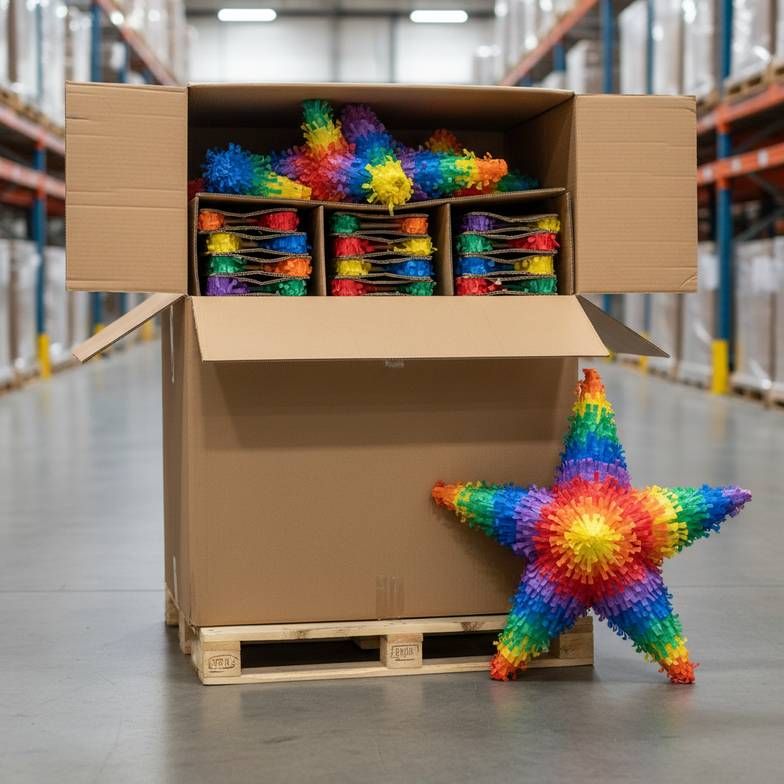
Carton volume determines landed margins because international ocean freight and domestic trucking charge by cubic volume, not weight. Sourcing nested piñatas, flat-fold constructions, or standardized carton configurations directly cuts shipping costs by up to 35%, while also fitting better on standard retail peg hooks and gondola shelves.
Dimensional Weight: The Hidden Margin Killer
I regularly review freight quotes with retail clients who are shocked by their final shipping invoices. Piñatas are fundamentally decorated, hollow containers. You are paying carriers to transport air across the ocean.
To protect your bottom line, you must evaluate packaging structures during product selection rather than after manufacturing is complete:
- Nested Packaging: Sourcing sets where a smaller piñata fits securely inside a larger complementary shape reduces total cubic meters (CBM) dramatically.
- Knock-Down / Foldable Designs: Certain geometric designs use pop-out internal cardboard supports. They ship completely flat and assemble in under thirty seconds at the store.
- Carton Size Harmonization: Custom cartons designed to fill container pallets without wasted headspace prevent crush damage and lower your landed cost per unit.
Comparing Structural Packaging Options
| Construction Type | Relative CBM per Unit | Assembly Required? | Retail Display Advantage |
|---|---|---|---|
| Traditional Rigid 3D | High | None (Ready to hang) | Maximum shelf presence; instant visual impact |
| Nested Sets (2-in-1) | Moderate | Minimal unpacking | Great for bundled family pricing |
| Flat-Fold Pop-Up | Lowest | Yes (Quick pull-string setup) | Minimal backroom footprint; highest carton density |
Making the Most of Retail Floor Space
Your logistics considerations do not end at your loading dock. Once the cartons arrive, you must display those units effectively without creating safety hazards or customer bottlenecks.
Piñatas consume large amounts of shelf space. If your assortment consists entirely of wide, round shapes, your gondolas will fill up after displaying only ten units.
Incorporate flat-profile or vertical designs (like traditional Mexican star points, standing skeletons, or slim Christmas trees) into your mix. These shapes allow you to hang multiple units from overhead display grids while keeping floor space clear for candy, favors, and hanging decorations.
Which Piñata Construction Matches Your Target Customer Demographics?
Nothing ruins a family holiday party faster than a piñata that refuses to break, or one that snaps on the very first hit. Disappointed parents remember those bad experiences and avoid your store during the next holiday cycle. You need to supply the right construction style for your shoppers.
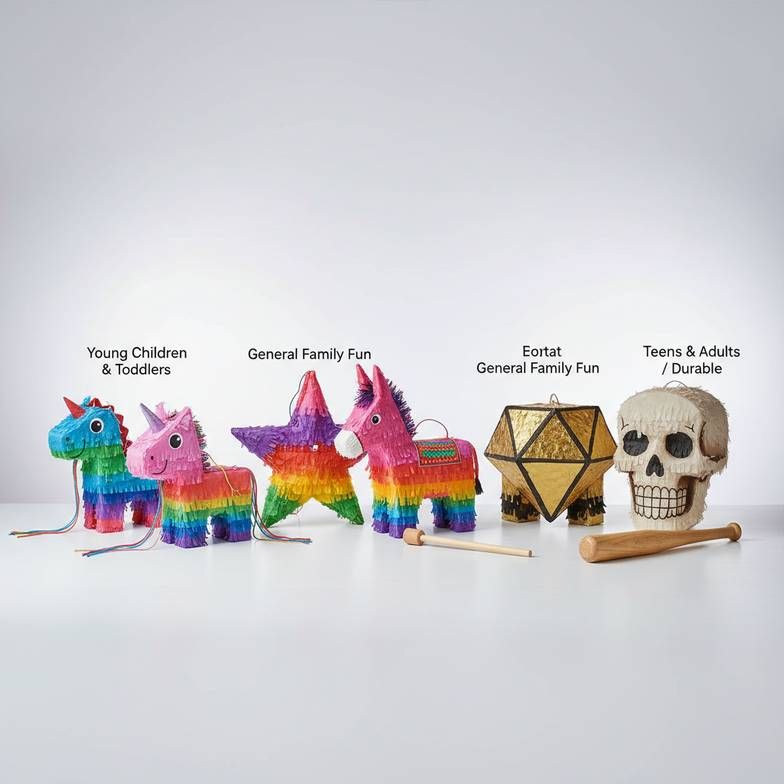
Matching construction to age demographics requires splitting your order between pull-string designs and traditional bash models. Stock gentle pull-string models made of thin cardboard for toddlers and indoor events, while keeping heavy-duty corrugated board or traditional papier-mâché bash piñatas for older children, teens, and outdoor family gatherings.
Pull-String vs. Traditional Bash Mechanics
I always ask buyers about their local community demographics before we finalize an order. An urban store serving apartment-dwelling families with young toddlers needs a completely different assortment than a suburban party shop catering to high school sports teams and backyard family cookouts.
- Pull-String Piñatas: These designs use a trapdoor mechanism at the bottom, secured by multiple ribbons. Only one ribbon opens the door to release the treats. These are ideal for children aged two to six, daycares, indoor venue parties, and winter events held in living rooms.
- Traditional Bash Piñatas: These require a stick, blindfold, and physical striking. They use heavier papier-mâché layers or single-wall corrugated cardboard. They suit outdoor venues, older kids, teens, and energetic adult holiday gatherings like Cinco de Mayo celebrations.
Weight Limits and Structural Integrity
Your seasonal stock must hold enough treats to satisfy a crowd without the hanging loop pulling out during setup. There is nothing worse than loading candy into a display piece and having the plastic hook tear clean through the top before the party even starts.
When evaluating supplier samples, verify these structural components:
- The Hanger Loop: Look for braided nylon cords or heavy-gauge wire attached directly to the inner cardboard frame, not just glued into the decorative tissue paper.
- The Fill Flap: Ensure the pre-cut opening is large enough for standard party favor packs and fun-size candy bags without tearing the outer decorations.
- Cardboard Caliper: For toddler designs, use lighter chipboard that gives way cleanly. For older age groups, look for double-flute corrugated cardboard or reinforced papier-mâché that withstands multiple hits before opening.
Frequently Asked Questions
When should party stores place holiday piñata orders?
You should place holiday orders five to six months ahead of your retail target date. For Halloween, finalize purchase orders by April. For Christmas, place orders by May. For Cinco de Mayo, submit specs by late November to avoid factory crunches during the Lunar New Year holiday.
What is the ideal ratio between pull-string and standard bash piñatas?
A reliable retail starting ratio is 40% pull-string and 60% traditional bash models. If your customer base consists primarily of young families, urban apartment residents, or winter indoor party hosts, adjust that mix to a 50/50 split to satisfy safety-conscious parents.
How do you calculate landed freight cost for bulky piñatas?
Ask your supplier for the exact master carton dimensions and gross weight per box. Forward those CBM (cubic meter) figures to your freight forwarder to calculate ocean shipping, port handling fees, customs clearance, and local drayage. Divide the total landed freight invoice across the unit count inside each carton.
Can party stores mix different seasonal themes in a single wholesale container?
Yes. Consolidating multiple seasonal themes into a single ocean container is an effective way to optimize freight costs. Buyers frequently combine autumn harvest and Halloween SKUs with early Christmas assortments in a mid-summer container to secure favorable shipping rates and hit early fall display schedules.
Conclusion
Building a profitable seasonal piñata wholesale assortment comes down to disciplined lead-time management, tight carton optimization, and balanced SKU velocity. Rather than chasing every novelty shape in a catalog, focus on proven holiday icons that move reliably through your checkout lanes. Choose packaging designs that minimize wasted carton volume, and select structural builds that match your local party demographics.
At LuckinDecor, we help party store owners, distributors, and event supply buyers develop practical, well-balanced seasonal assortments. Reach out to our B2B team today to review your upcoming holiday assortment plans and secure your seasonal production schedule.