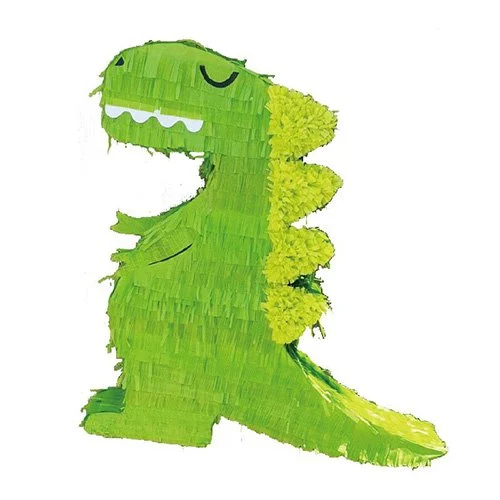
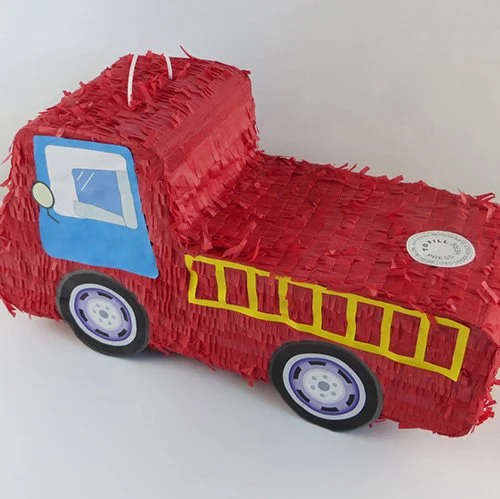
Sourcing piñatas is one thing, but getting them to your stores intact and looking good is an entirely different challenge. Choosing the wrong piñata retail packaging can lead to a cascade of problems—damaged goods, inflated shipping costs, or poor shelf presentation—all of which eat directly into your profits. The key is to specify a solution that aligns perfectly with your unique retail channel and supply chain needs.
For supermarkets and party stores, specifying piñata retail packaging involves defining requirements for product protection, shipping efficiency, and in-store presentation. The best choice is not a single material but a balanced trade-off between cost, durability, and shelf appeal, tailored to your specific sales environment and supply chain.
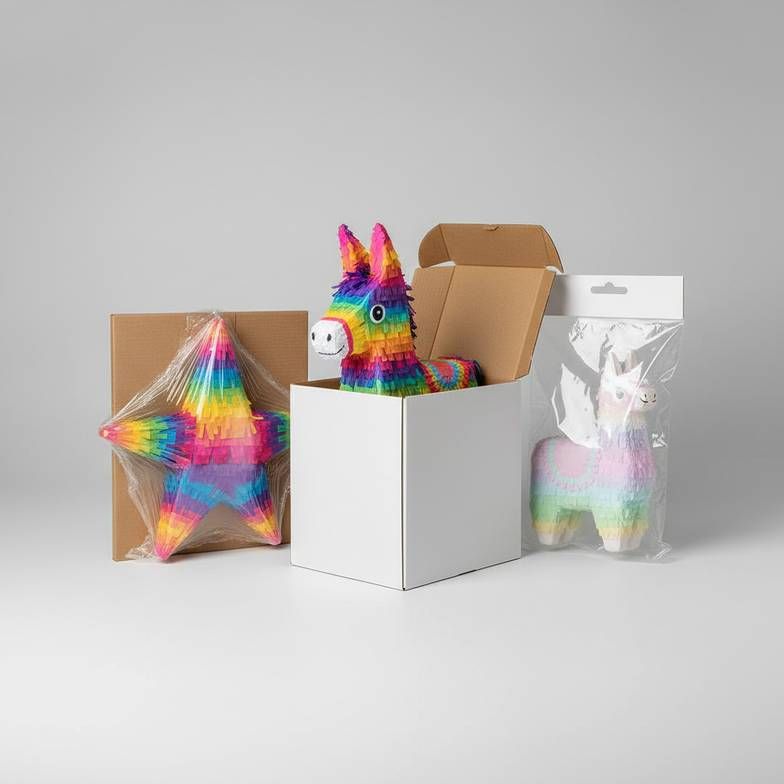
It might sound straightforward, but the "best" packaging for a high-volume supermarket is often completely different from what a specialty party store needs. The secret is to stop asking "what's best?" and start defining what's right for your business. Let's break down how to make that choice.
How Does Your Sales Channel Impact Your Piñata Retail Packaging Choice?
You've found the perfect piñata design, but now you're stuck on packaging. Choosing a cheap polybag might save a few cents per unit upfront, but will it survive the long journey to a busy supermarket aisle, let alone the handling by staff and customers?
Your sales channel is the single most important factor. Supermarkets need durable, stackable packaging for pallets and rough handling. Specialty party stores can often use lighter packaging that prioritizes visibility and aesthetic appeal. E-commerce, on the other hand, requires maximum protection for the harsh world of individual shipping.
For Supermarket Chains
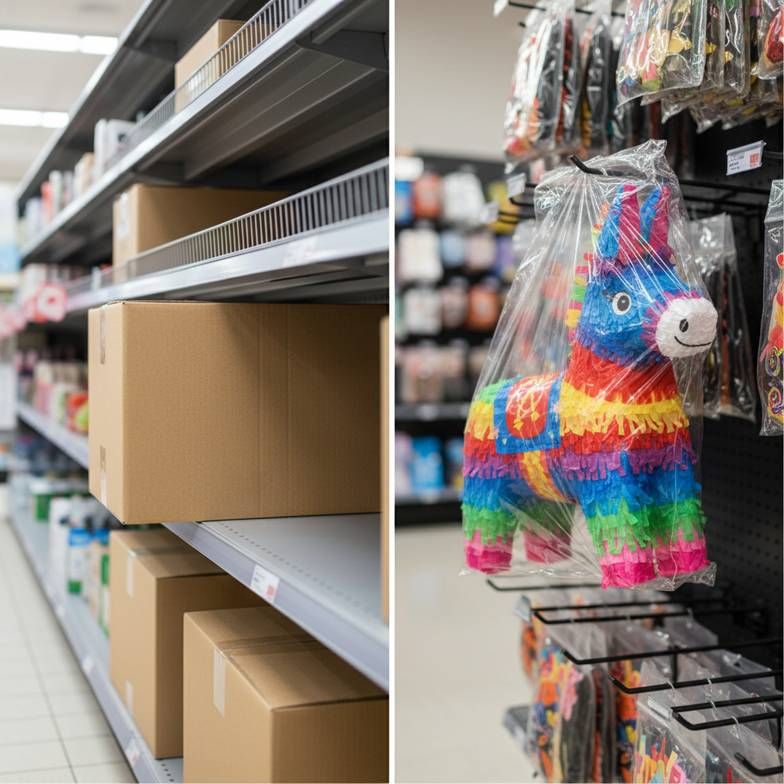
When we work with buyers from large supermarket chains, the conversation immediately turns to logistics. Their world revolves around pallets, distribution centers, and stockroom efficiency. The packaging must be robust enough to be stacked high without crushing the products at the bottom.
This is where technical specifications, while seemingly boring, become critical business tools. We often discuss:
- Stacking Strength: The box must withstand weight. This is where a spec like the Edge Crush Test (ECT) comes in. You don't need to be a packaging engineer, but telling your supplier the boxes will be palletized and stacked allows us to recommend a corrugated board with an appropriate ECT rating. It’s a direct trade-off between cost and strength.
- Shelf-Ready Packaging (SRP) or PDQs: Many supermarkets want piñatas to arrive in a master carton that can be opened and placed directly on the shelf. This reduces stocking time for store employees. Your piñata retail packaging needs to be designed as part of this larger system.
- Durability for Customer Handling: Supermarket shoppers aren't always gentle. Packaging needs to protect the piñata from being dented or torn as it’s picked up, examined, and placed in a shopping cart.
I remember a supermarket buyer who initially asked us for the cheapest possible option. We walked them through the journey from our factory in China to their distribution center. A simple polybag would have resulted in an unacceptably high damage rate once pallets were stacked. We proposed a cost-effective, right-sized corrugated box that ultimately saved them money by drastically reducing lost inventory.
For Specialty Party Stores
The environment in a dedicated party store is completely different. Piñatas are often a core part of the store's fun, festive atmosphere.
Here, the priorities shift:
- Visibility and Aesthetics: Buyers in this channel want the customer to see the piñata. A clear polybag with a branded header card is a very popular and effective option. It protects the piñata from dust while allowing the vibrant colors and fun shapes to shine through.
- Ease of Display: Many party stores hang piñatas from the ceiling. The packaging needs to accommodate this, either by being easy to remove or by incorporating a hanging feature itself.
- Lower Stacking Requirements: Since piñatas are often displayed individually, the need for heavy-duty, stackable boxes is much lower. This allows for lighter, less expensive packaging solutions.
The goal here is presentation. The packaging is less about surviving a warehouse and more about contributing to the "wow" factor when a customer walks in.
For Online Retailers and E-commerce
Selling piñatas online presents the toughest packaging challenge. Each item is shipped individually and will be handled by multiple carriers. Protection is paramount.
For e-commerce sellers, we focus on:
- The Unboxing Experience: The shipping box is the first physical interaction your customer has with your brand. A crushed, poorly packed piñata creates a terrible first impression.
- Maximum Protection: Each piñata must be in its own sturdy box, often with void fill like bubble wrap or air pillows to prevent it from rattling around. The cost of a damaged item, returns, and a bad review far outweighs the cost of proper packaging.
- Right-Sizing: Using a box that is just the right size not only protects the product better but also helps manage dimensional weight shipping costs, which can be a major expense for bulky items like piñatas.
What Are the Key Trade-Offs in Selecting Wholesale Piñata Retail Packaging?
You want maximum protection, the lowest possible shipping cost, and beautiful retail presentation. But in the world of sourcing, trying to maximize all three at once is a recipe for frustration. The real task is to find the right balance for your business.
The primary trade-offs you must manage are Cost vs. Protection and Cube Size vs. Shipping Cost. A bulky, over-protective box can double your freight costs from China, while a minimal polybag risks high rates of product damage. The goal is finding the acceptable middle ground for your specific business model.
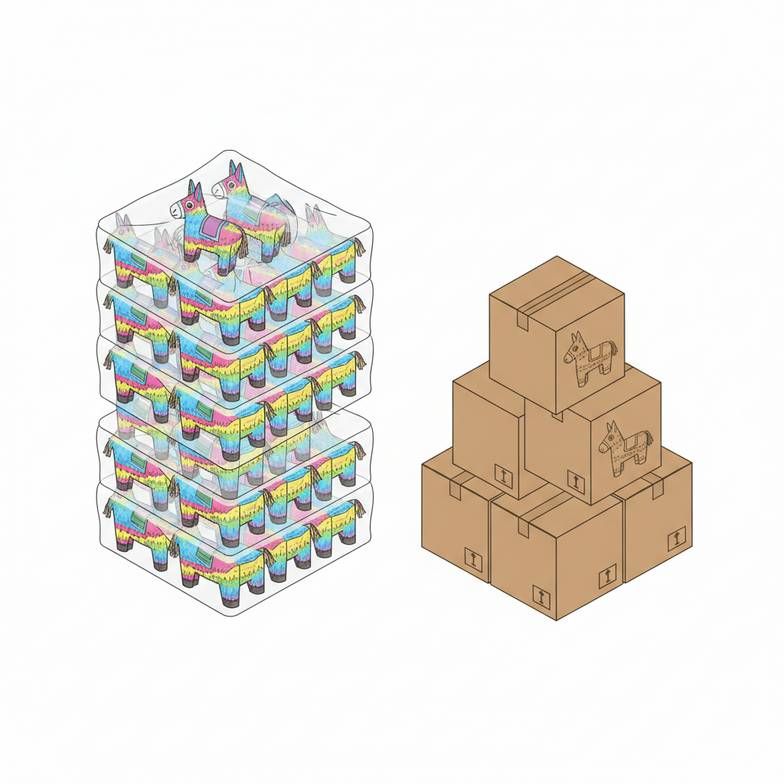
The Cost vs. Protection Spectrum
There is a direct relationship between how much you spend on packaging and the level of protection it provides. Thinking about it as a spectrum can help clarify your decision:
- Low Cost / Low Protection: A simple, thin polybag is the cheapest option. It offers basic protection from dust and scuffs but zero protection from impacts or crushing. This is only viable if the piñatas are packed carefully into a strong master carton and the final retail environment is low-risk.
- Medium Cost / Medium Protection: This category includes options like shrink wrap with a printed cardboard insert or a lightweight, single-wall corrugated box. These offer a good balance for many channels, providing moderate protection and branding opportunities without breaking the budget.
- High Cost / High Protection: A custom-printed, double-wall corrugated retail box offers excellent protection and a premium look. This is ideal for e-commerce, high-value licensed piñatas, or retailers who want the packaging to be a major part of the brand experience.
Your decision here is a risk management calculation. If a 1% damage rate is acceptable, a cheaper option might work. If you need to guarantee every piece arrives pristine, you must invest more in protection.
The Cube Size vs. Shipping Cost Dilemma
This is one of the most overlooked aspects of sourcing from China, yet it has a massive impact on your final landed cost. Ocean freight is calculated based on container space (cubic meters). The bulkier your packaging, the fewer units you can fit in a container.
I worked with a distributor who insisted on a very large, impressive-looking box for a medium-sized piñata. When we calculated the container loading plan, we found that the bulky packaging meant they could only fit half the number of units they were expecting. This effectively doubled the per-unit shipping cost, a cost that was greater than the price of the piñata itself!
We went back to the drawing board and co-designed a slightly smaller, "right-sized" box that still offered great protection. This simple change saved them thousands of dollars in freight on their first order.
Here’s a simple table to illustrate these trade-offs:
| Packaging Type | Protection Level | Unit Cost | Shipping Density (Units per Container) | Best For... |
|---|---|---|---|---|
| Polybag | Low | Very Low | Very High | Specialty party stores, low-risk supply chains |
| Shrink Wrap + Card | Low-Medium | Low | High | Party stores, some supermarkets |
| Right-Sized Box | Medium-High | Medium | Medium | Supermarkets, e-commerce, most channels |
| Oversized Box | Very High | High | Low | Fragile or high-value items, premium brands |
How Should You Communicate Your Piñata Retail Packaging Needs to a Supplier?
You've done your homework and understand your needs, but how do you translate that into clear, actionable instructions for a supplier like us? Vague requests for a "good quality box" are risky and can lead to expensive misunderstandings and delays.
Instead of asking for a "standard" option, you should provide your supplier with your channel context. Tell us how and where the piñata will be sold. Ask us to propose 2-3 options with clear cost and protection trade-offs for you to evaluate. This collaborative approach yields much better results.
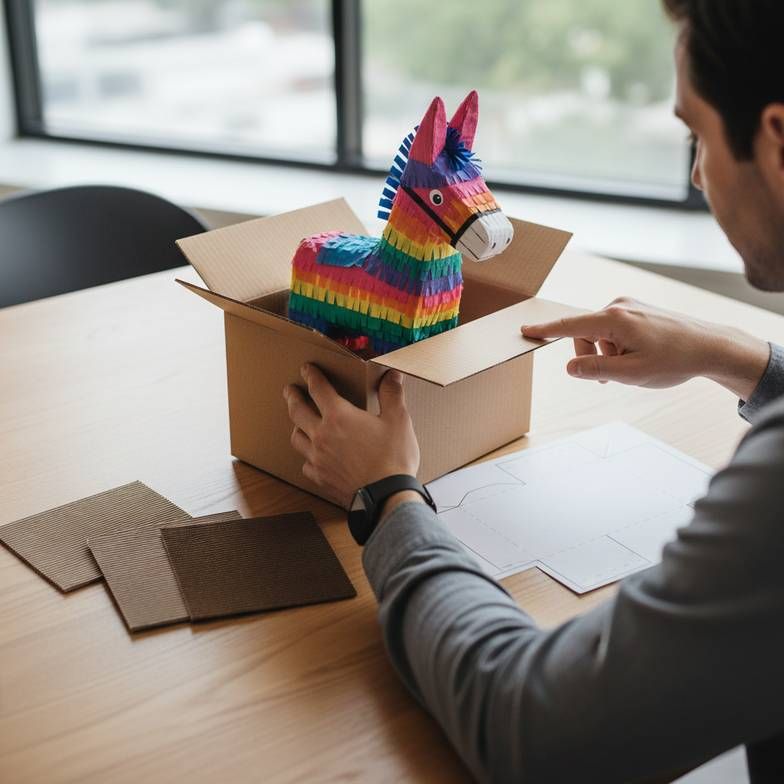
Create a Clear Packaging Brief
The best way to kick off the conversation is by providing a simple brief. This ensures we are all on the same page from the very beginning. Your brief should include:
- Retail Channel: Are you a supermarket, a party store chain, or an online retailer?
- Supply Chain & Handling: Briefly describe the product's journey. Will it be stored on pallets in a distribution center? Will it be handled by multiple carriers?
- In-Store Display: How will the piñata be displayed? Hanging from a ceiling? Standing on a shelf? In a large dump bin?
- Branding Requirements: Do you need a multi-color printed box, a simple one-color logo, or just a sticker with a UPC? Providing artwork or brand guidelines is essential here.
- Damage Tolerance: What is your acceptable rate of damaged or unsellable goods? This helps us recommend the right level of protection.
- Budget: If you have a target cost-per-unit for packaging, share it. This helps us narrow down the viable options quickly.
Always Request and Evaluate Samples
This is the most critical step in the process. Never approve packaging based on a description or drawing alone. You must get your hands on a physical sample of the final packaged product. At LuckinDecor, we consider this a mandatory part of the pre-production process for any new buyer or new packaging design.
When you receive the sample, check for:
- Product Fit: Is the piñata secure, or does it move around excessively?
- Protection: Does the box feel sturdy enough for its journey? I often perform a simple "drop test" from waist height to see how it holds up. It's not scientific, but it's very revealing.
- Ease of Opening: Can your store staff or end customer open the package without damaging the piñata?
- Appearance: Does the printing quality and overall look meet your brand standards?
Approving a physical, pre-production packaged sample is the single best way to de-risk your bulk order and ensure the piñata retail packaging you specified is exactly what you get.
Frequently Asked Questions
What is ECT and do I need to specify it for my piñata boxes?
ECT stands for Edge Crush Test and it measures the stacking strength of corrugated cardboard. You don't need to be an expert, but telling your supplier you need boxes suitable for pallet stacking will lead them to suggest an appropriate ECT rating. It’s simply a tool for balancing strength and cost.
Can I save money by having piñatas shipped flat and assembled in-store?
For some simpler, foldable designs, absolutely. This can dramatically increase container loading density and lower your per-unit freight costs. However, it shifts labor costs to your retail staff for assembly. This is a great conversation to have with your supplier to see if it's a viable option for your chosen designs.
Is a polybag enough to protect a piñata during international shipping?
By itself, almost never. While polybags are the cheapest option, they offer virtually no protection from crushing or impacts during a long sea voyage and subsequent ground transit. They are best used as inner packaging inside a strong, protective master carton, not as the primary shipping solution.
How much does custom printed packaging add to the cost?
It varies significantly. A simple one-color logo print on a standard corrugated box can be very affordable. A full-color, photo-quality, litho-laminated retail box is much more expensive and will have higher minimum order quantities (MOQs). The best approach is to provide your artwork and ask for a specific quote.
Conclusion
Choosing the right piñata retail packaging is a strategic business decision, not an afterthought. The optimal solution requires you to thoughtfully balance product protection, shipping costs, and in-store shelf appeal based on your specific sales channel. By shifting your thinking from "what's the cheapest option?" to "what's the smartest solution for my supply chain?", you can protect your inventory, control your landed costs, and ultimately improve your bottom line. Taking the time to analyze the product's entire journey—from the factory floor to your customer's hands—is the key to making a profitable packaging decision.
If you're sourcing piñatas and need expert guidance on finding the optimal packaging solution for your market, contact us at LuckinDecor. We can help you evaluate the trade-offs and develop a plan that protects your product and your profits.