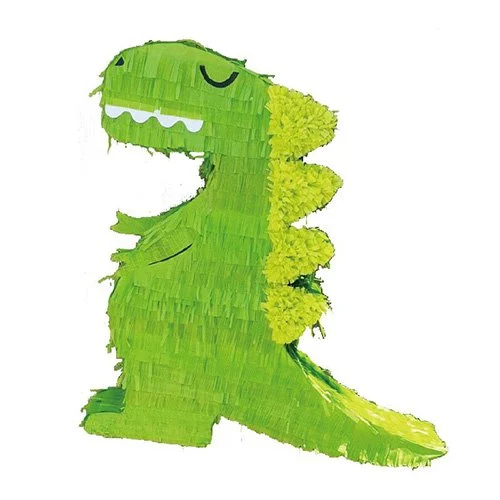
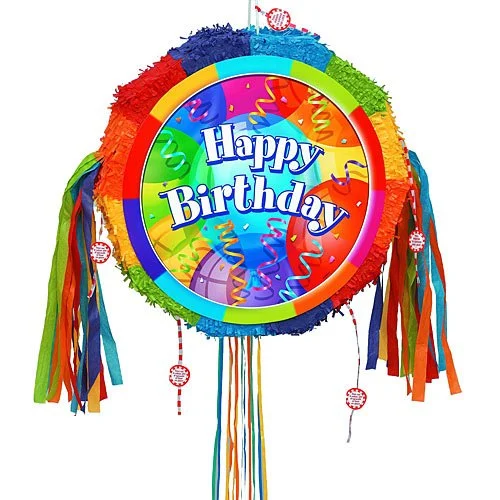
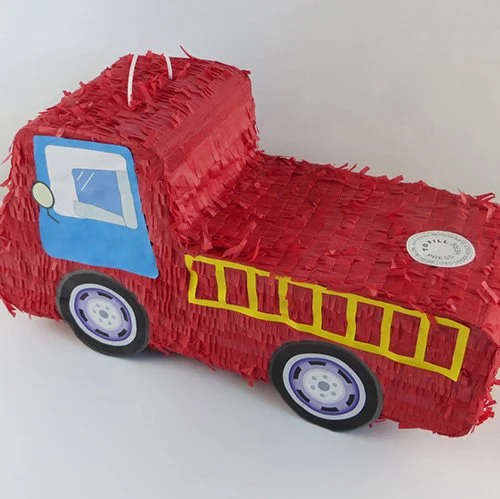
As a wholesale buyer, navigating the debate of pull-string vs traditional piñatas can feel like a guessing game. You're trying to build an inventory that sells, but stocking the wrong type can lead to missed opportunities or mismatched products for your clients' customers. It's a choice that impacts safety, customer satisfaction, and ultimately, your bottom line. The solution isn't finding a single "best" type, but strategically choosing designs that serve specific needs.
The core difference between pull-string and traditional piñatas lies in their target audience and use case. Traditional, hit-with-a-stick piñatas are designed for high-energy celebrations with older children or adults in open, outdoor spaces. Pull-string piñatas offer a safer, controlled alternative ideal for toddlers, younger children, and indoor party venues, as they eliminate the risks associated with swinging a bat.
Many buyers I speak with are looking for a simple answer, but the reality is more nuanced. The right choice depends entirely on the end-user your clients are serving. Let's dive deeper into the factors that should guide your wholesale purchasing decisions so you can build a truly comprehensive and profitable product range.
Which Piñata Type is Safer for End Customers?
Are you worried about potential safety complaints or returns from your retail clients? Stocking a piñata that isn't appropriate for the party setting can create a negative experience. When considering pull-string vs traditional piñatas, safety is often the most important factor for your clients' customers, especially those with young children.
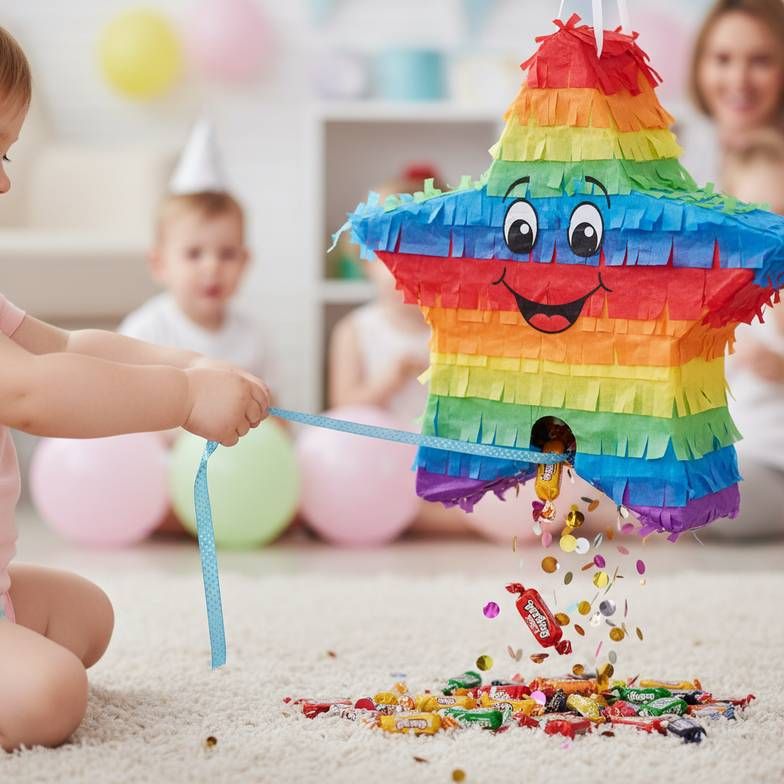
A pull-string piñata is generally considered the safer option for toddlers and young children (roughly ages 2-6). It completely removes the bat and blindfold from the equation, which mitigates the risk of accidental hits, property damage, or injuries in crowded or indoor spaces. A traditional piñata is better suited for older children and adults who can participate with proper supervision in an open area.
Dive Deeper: A Risk Management Perspective
From a B2B sourcing perspective, thinking about "safety" is really about risk management. You are supplying a product that will be used in an energetic, sometimes chaotic, environment. Providing clear options for different risk profiles demonstrates responsibility and helps your clients (wholesalers, retailers, and event planners) guide their own customers effectively.
Key Factors for Evaluation:
- Age Appropriateness:
- Pull-String: The go-to choice for the toddler and preschool demographic. At this age, motor skills are still developing, and swinging a stick safely is a major challenge. The simple act of pulling a ribbon is engaging and inclusive for every child.
- Traditional: Best for kids aged 7 and up, teenagers, and even adults. The classic "whack-a-piñata" experience is a rite of passage for many, but it requires participants who can follow instructions and understand spatial awareness.
- Venue Constraints:
- Pull-String: Perfect for indoor parties, small apartments, classrooms, or community halls where swinging a bat is simply not feasible. I've had many event planning clients who exclusively stock pull-string models for their indoor party packages.
- Traditional: Requires an open, outdoor space like a backyard, park, or gymnasium. You need a clear radius around the swinger to prevent anyone from getting too close. This is a critical point to communicate to your retail partners for their own merchandising and customer education.
- Supervision and Control:
- A pull-string piñata activity is easy to control. Each child can take a turn pulling a ribbon one by one, creating an orderly and predictable game.
- A traditional piñata game requires active adult supervision to manage the swinging, keep other children at a safe distance, and ensure everyone gets a turn.
By offering both types, you empower your clients to make the best choice for their specific event, reducing the likelihood of misuse and enhancing the end-user's experience.
How Does Construction Quality Affect the Pull-String vs Traditional Piñatas Experience?
A piñata that breaks on the first gentle tap is just as frustrating as one that refuses to break at all. This kind of performance failure reflects poorly on the retailer and, by extension, on your wholesale supply. The discussion of pull-string vs traditional piñatas must include a close look at their unique construction requirements.
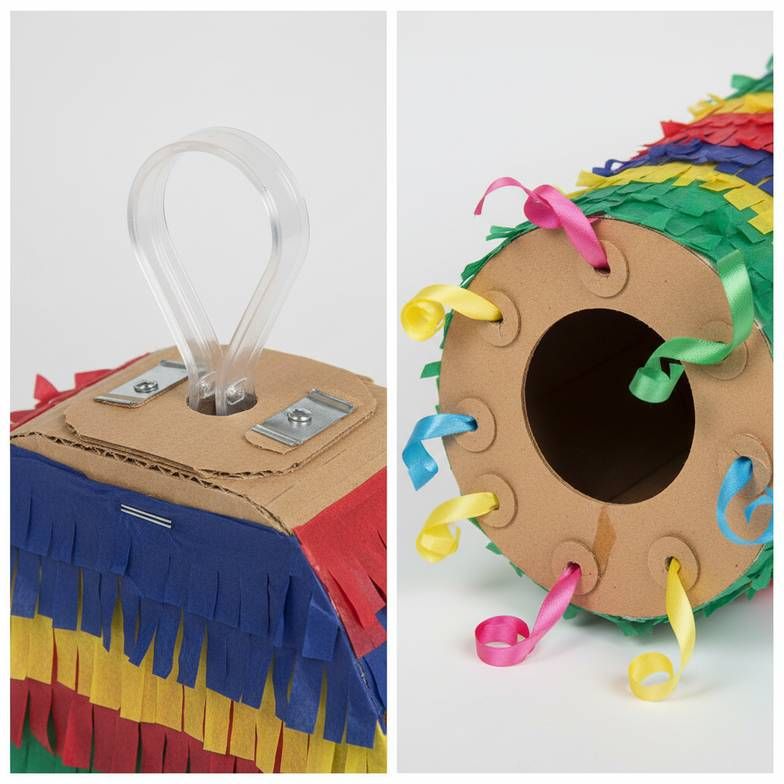
For pull-string models, the key quality points are the durability of the ribbon attachments and the reliability of the trapdoor mechanism. For traditional piñatas, the focus is on the reinforcement of the hanging loop and the breakability of the cardboard shell, which should be sturdy enough to withstand a few hits but not indestructible.
Dive Deeper: What to Look for During Sourcing
When I review production specifications with our factory partners, we focus on different stress points for each design. As a buyer, you should be asking your supplier about these specific details. It shows you're an informed professional and helps ensure you receive a quality product.
Pull-String Construction Checks
The magic of a pull-string piñata is in its release mechanism. If it fails, the whole game is a flop.
- Trapdoor Design: The trapdoor should be securely sealed but designed to open cleanly when the "winning" ribbon is pulled. Ask your supplier about the material used for the door's hinge and seal. A poorly designed door might tear the piñata's body or fail to open at all.
- Ribbon Attachment: This is a common point of failure. The ribbons should be anchored securely inside the piñata to a reinforced cardboard or plastic plate. If they are simply taped to the exterior or weakly glued inside, they will pull off without engaging the mechanism. Pull on a few sample ribbons yourself. They should feel secure.
- The "Winning" Ribbon: Only one ribbon should be connected to the trapdoor. The rest are decoys. During quality inspection of a batch, it's wise to test a sample unit to confirm that the mechanism works as intended and that the other ribbons detach without opening the door.
Traditional Piñata Quality Points
The goal of a traditional piñata is a satisfying smash. The construction must be engineered for this experience.
- Hanging Loop: This is the most critical structural component. A piñata loaded with several pounds of candy puts a lot of stress on the hanging loop. It must be made from strong plastic or reinforced zip-tie material that is deeply and securely integrated into the piñata's frame. A weak paper or cardboard loop will tear before the party even gets started. I always recommend buyers ask for close-up photos of the loop's anchoring point.
- Cardboard Breakability: This is a balancing act. The piñata needs to be sturdy enough to hold its shape and handle shipping, but weak enough to break after a reasonable number of hits. This is achieved through the choice of cardboard thickness and the use of score lines or perforations in strategic areas. A piñata made from overly thick, un-scored industrial cardboard will never break, leading to a very disappointing party.
- Seams and Glue: Check the seams where the different pieces of the piñata are joined. They should be consistently glued without being overly rigid. Too much glue can create an indestructible "armor" that frustrates kids.
What Does the Pull-String vs Traditional Piñata Choice Mean for Your Sales Strategy?
You aren't just selling a paper-mâché object; you're selling a complete party activity. Your decision in the pull-string vs traditional piñata debate directly influences what other products your clients will buy. Are you thinking about how to maximize their average order value?
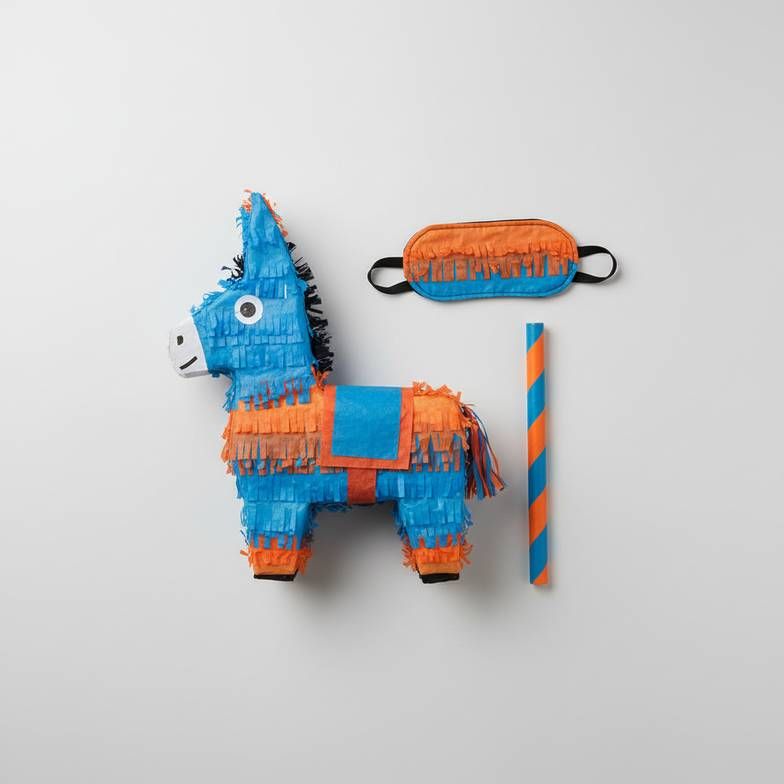
Essentially, traditional piñatas create a sales ecosystem, driving demand for accessories like piñata bats and blindfolds. Pull-string piñatas are more of a self-contained product but appeal strongly to a safety-conscious market segment that might otherwise skip a piñata altogether.
Dive Deeper: Building a Profitable Product Ecosystem
A smart wholesale strategy involves thinking one step beyond the core product. How can your inventory selection make your B2B clients more successful? By helping them increase their average sale.
The Traditional Piñata Bundle
When a retailer or event planner buys a traditional piñata, they almost always need the accompanying accessories. This is a perfect opportunity for upselling and cross-selling.
- Essential Add-Ons: Piñata busters (bats) and blindfolds are non-negotiable for the traditional experience. You should stock these and consider offering them as a pre-packaged bundle. I've found that buyers appreciate the convenience of sourcing the complete set from one supplier.
- Merchandising Strategy: Advise your retail clients to display traditional piñatas right next to the bats and blindfolds. This visual cue prompts the consumer to buy the whole package, increasing the retailer's basket size.
- Product Tiers: You can offer different tiers of accessories. For instance, a basic wooden buster and a premium, colorfully decorated buster that matches popular piñata themes.
The Pull-String Piñata's Value Proposition
While pull-string piñatas don't drive accessory sales, their value lies in market expansion.
- Capturing a New Segment: These piñatas appeal to parents of toddlers, daycares, and schools who have strict safety policies. It's not a replacement for the traditional market; it's an entirely different segment. By stocking them, you become a one-stop-shop for clients who cater to all age groups.
- The "All-in-One" Appeal: The simplicity is the selling point. For a busy parent or event organizer, a product that doesn't require extra purchases or complex setup is a huge win. Market it as the convenient, stress-free party solution.
Here is a simple breakdown of the sales ecosystem for each:
| Feature | Traditional Piñata | Pull-String Piñata |
|---|---|---|
| Primary Audience | Kids 7+, Teens, Adults | Toddlers, Kids 2-6 |
| Ideal Venue | Outdoors, large open spaces | Indoors, small spaces |
| Core Value | High-energy, classic fun | Safe, controlled, inclusive |
| Accessory Sales | High (bats, blindfolds) | Low (self-contained) |
| Upsell Opportunity | Bundles with accessories | Themed party kits (plates, cups) |
| B2B Client Profile | General party stores, event rentals | Toddler party specialists, schools |
How Should You Balance Your Wholesale Piñata Assortment?
Stocking only one type of piñata is like having a shoe store that only sells running shoes—you're leaving a huge part of the market unserved. Your clients cater to diverse customer bases, and your inventory needs to reflect that. The final piece of the pull-string vs traditional piñata puzzle is building a balanced assortment.
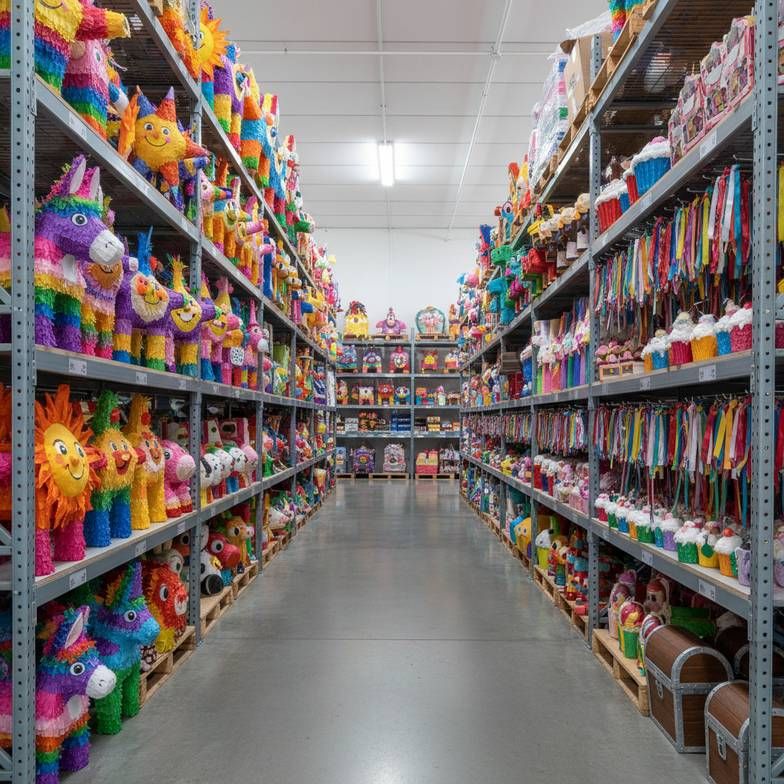
A smart inventory includes a strategic mix of both types. The ideal ratio depends on your primary B2B clients and their target demographics. For example, if you supply mainly to large retailers with broad customer bases, a 50/50 split might work. If you supply to specialized toddler party planners, your mix should lean heavily toward pull-string models.
Dive Deeper: Crafting Your Inventory Strategy
The goal is to provide a comprehensive catalog that positions you as an expert and a reliable partner. Don't force your buyers to go to a competitor to fill the gaps in their product range.
I always advise new wholesale clients to start with an analysis of their own customer base. Who are you selling to?
- Party Supply Wholesalers/Distributors: These clients need the widest variety. They serve all kinds of retailers and event planners. A balanced approach is best.
- Large Retail Chains: They also need a broad mix, but with a strong focus on popular, licensed characters and seasonal themes that work for both piñata types.
- Online Sellers: These sellers might specialize. An Amazon seller focusing on "First Birthday Party Supplies" will want 90% pull-string piñatas. A seller focused on "Quinceañera Decorations" will need 90% traditional piñatas.
- Event Decoration Companies: Their mix will depend on their typical client. Corporate event planners might prefer traditional piñatas for adult team-building events, while children's party planners need a healthy stock of both.
Sample Assortment Strategy for a General Wholesaler
| Piñata Category | Inventory Percentage | Rationale |
|---|---|---|
| Pull-String (Toddler Themes) | 35% | Covers the high-demand, safety-conscious market for ages 2-6. Think simple animals, numbers, and gentle characters. |
| Traditional (Kid/Teen Themes) | 45% | The core of the market for ages 7+. This includes popular themes like dinosaurs, unicorns, video games, and superheroes. |
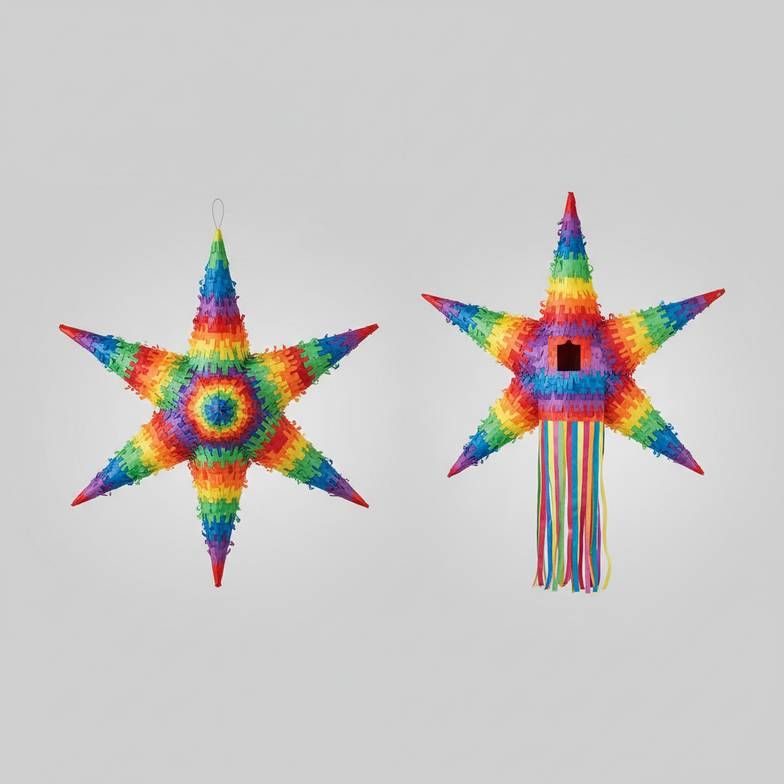
| Traditional (Adult/Fiesta) | 10% | Caters to adult parties, Cinco de Mayo, and bachelorette parties. Classic donkey and star shapes are key here. |
| Seasonal (Both Types) | 10% | Halloween pumpkins, Christmas trees, Easter eggs. Offer both pull-string and traditional versions for seasonal flexibility. |
This is just a starting point. The most important thing is to use your sales data to refine this mix over time. If you see unicorn pull-string piñatas flying off the shelves, double down on that category.
Frequently Asked Questions
Can a traditional piñata be converted to a pull-string?
While it's possible to DIY a conversion, it's not practical or reliable for a manufactured product. A proper pull-string piñata requires an integrated trapdoor mechanism built into its structure. For wholesale, it's always better to source designs that are specifically manufactured for their intended function to ensure safety and reliability.
Are pull-string piñatas reusable?
Generally, no. The trapdoor mechanism is designed for a one-time release. Once the winning ribbon is pulled and the door opens, it cannot be securely reset for another game. However, the empty piñata shell can often be kept as a fun room decoration after the party is over.
What's the ideal fill weight for each type of piñata?
This depends heavily on the piñata's size and construction. As a rule of thumb, pull-string piñatas have a lower weight capacity (typically 2-3 lbs or 1-1.5 kg) because the trapdoor can't support as much weight as a fully enclosed shell. Traditional piñatas can often hold more (3-5+ lbs or 1.5-2.5+ kg). We always provide specific weight recommendations for each model we supply.
Do custom designs work for both pull-string and traditional piñatas?
Absolutely. Almost any character, shape, or theme can be adapted to either style. However, the internal engineering is different. When discussing a custom design, it's critical to specify from the start whether it needs to be a pull-string or traditional model, as this impacts the internal frame and mechanism design.
Conclusion
The debate over pull-string vs traditional piñatas isn't about choosing a winner. It's about building a smarter, more strategic wholesale range that serves the varied needs of your clients and their customers. The right approach is to stock both: the safe, accessible pull-string models for toddlers and indoor events, and the classic, high-energy traditional piñatas for older kids and outdoor parties. By understanding the unique safety, construction, and sales implications of each design, you can provide a comprehensive catalog that boosts your clients' success and solidifies your position as a trusted supplier.
If you're ready to build a more profitable and well-rounded piñata assortment for your business, contact us at LuckinDecor. We can help you analyze your needs and source the perfect mix of high-quality designs for your target market.